
Home › Knowledge Centre › Court Watch › A student changed her name. The Supreme Court changed the bench. What happens to the audit of private universities on 19.11.2026?
Court Watch
A student changed her name. The Supreme Court changed the bench. What happens to the audit of private universities on 19.11.2026?
20.11.2026 · Supreme Court of India · Ayesha Jain v. Amity University, Noida, W.P. (C) No. 531 of 2025
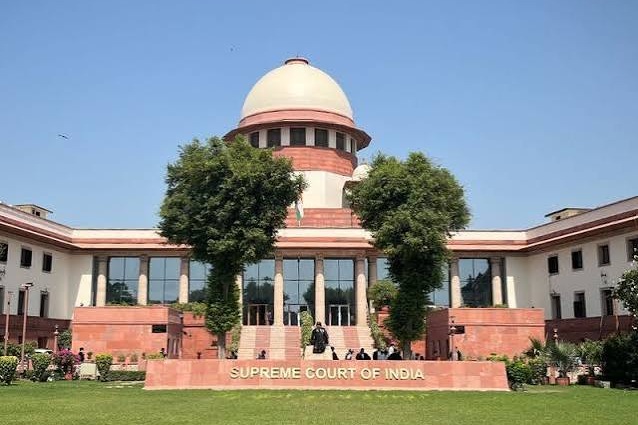
Ayesha Jain v. Amity University, Noida, W.P. (C) No. 531 of 2025, began as one student's grievance that her university would not record her legally changed name. It has since become the widest judicial examination of private higher education in the country.
On 20.11.2025, a Supreme Court Bench converted the petition into a public interest matter and called for affidavits from the Cabinet Secretary, the Chief Secretaries and the UGC Chairman. On 17.09.2026 the Bench held that no private university can run as a profit making institution and directed every State to collect five years of audited accounts, fee data, surplus utilisation, faculty records and grievance mechanisms, on affidavits affirmed by the Chief Secretary within six weeks. On 09.10.2026 the Bench directed the UGC and regulators to issue public advisories on fake institutions.
On 17.11.2026 the Chief Justice of India, as master of the roster, reassigned the case to a three judge Bench of Justice Vikram Nath, Justice R. Mahadevan and Justice Aparesh Kumar Singh. The reported reason is roster discipline. No reason appears on the judicial record. Both positions have merit, and the sector should not read the reassignment as a verdict on the inquiry.
What the 19.11.2026 hearing will tell us
A reassigned part heard matter raises three procedural questions before any substantive one.
First, the record. The six week period for the affidavits expired on or about 29.10.2026. The Bench will note which of the Union, the States and the Union Territories have complied, which have sought time, and which have filed through an officer other than the one directed.
Second, the mode of hearing. The Bench may direct a compilation of orders, a tabulated summary of the affidavits, or the appointment of an amicus curiae to manage a record that now runs across every State.
Third, the frame. The student's petition and the public interest exercise travel under one cause title. The Bench will say whether they continue together or whether the individual grievance is listed separately.
A first listing before a new Bench is about the record, not the result.
Related: Private Universities, Deemed Universities
Need advice on this?
EduLegaL, A Division of RSB LegaL. Write to us at mail@edulegal.in or use the contact page.
This page gives general information only and is not legal advice. Please read the original text before acting.