
Courts can intervene where an answer key is plainly wrong, not where experts may differ: Delhi HC sends four UGC NET questions back to experts
18.11.2026 · Delhi High Court · Nasir Rasheed v. University Grants Commission & Anr.
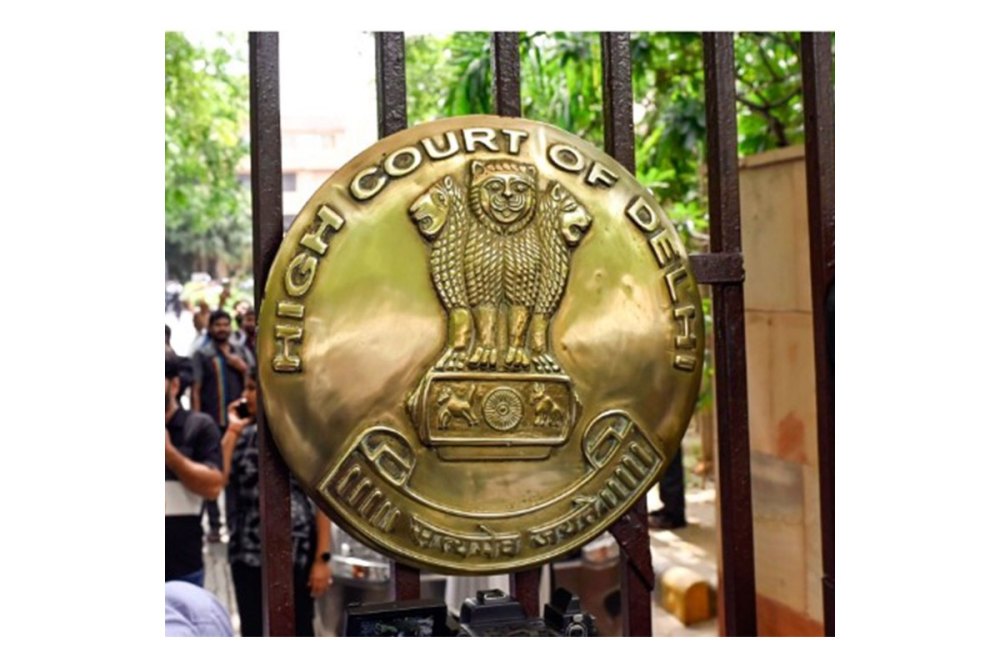
The Delhi High Court has disposed of five writ petitions by UGC NET June 2026 candidates who challenged the final answer keys in the Education, Urdu and Geography papers. Of the ten questions in dispute, the Court declined to interfere with six as matters of academic opinion, found four to be patently erroneous, and referred those four to the subject experts with a direction to hear the petitioners and pass a speaking order within three weeks.
Candidates in the UGC NET June 2026 examination challenged ten answers across the Education, Urdu and Geography papers. The Delhi High Court has left six with the experts and sent four back for a fresh decision, and in doing so has set out plainly when a court will interfere with an answer key and when it will not.
Standing law
The Supreme Court settled the approach in Kanpur University v. Samir Gupta in 1983. A key answer is presumed correct unless it is clearly shown to be wrong, and it cannot be held wrong by an inferential process of reasoning or by rationalisation. The test is whether no reasonable body of persons well versed in the subject would regard the key answer as correct. The Delhi High Court Division Bench applied this in Nandita v. National Testing Agency in 2024, adding that once the testing agency has had objections examined by subject experts, the court cannot sit as an appellate authority over those experts.
Facts
Five writ petitions under Article 226 challenged discrepancies between the provisional and final answer keys published for the UGC NET June 2026 examination. The National Testing Agency filed counter affidavits stating that the disputed questions had been examined by subject experts after the objection window. Ten questions were before the Court. Some had been changed between the provisional and final keys, and for some the petitioners had not raised any objection in the challenge window.
What the Court observed
- The scope of interference with an answer key is limited. Following Nandita and Samir Gupta, a key answer is presumed correct unless clearly shown to be wrong, and the court cannot sit as an appellate authority over the experts.
- That restraint is not an absolute bar. A key may be interfered with where the error is apparent without any inferential process or rationalisation.
- A wrong key affects ranking and eligibility, and a single mark may decide whether a candidate crosses the cut off.
What the Court held
- For six questions the dispute was one of academic opinion; the experts had examined them and no patent error was shown, so no interference was called for (paragraph 5).
- Four questions were patently erroneous, each having one correct answer verifiable from standard sources; these fell within the narrow category where interference is permitted (paragraphs 6, 7 and 10).
- The Court would not substitute its own view or fix the key itself. The four questions were referred to the subject experts, the petitions were treated as representations, and the expert committee was directed to hear the petitioners and pass a speaking order within three weeks.
EduLegaL View
The judgment strikes a fair balance. The Court has refused to turn a writ petition into a second round of evaluation. At the same time, the Court has made it clear that the label “expert verified” will not save a key where the correct answer is a matter of record and not of opinion.
Read the Judgment
Source: Delhi High Court
Need advice on this?
EduLegaL, A Division of RSB LegaL. Write to us at mail@edulegal.in or use the contact page.
This page gives general information only and is not legal advice. Please read the original text before acting.